
by Oscar G. Miranda, Eszer Aletta Vig
Two of our groups projects have been mentioned as part of the Wader Quest Newsletter 2026 Vol. 13 Issue 1. One of the blogs focus on the Black-Banded Plovers in Madagascar (by Oscar G. Miranda, University of Bath) and the other blog focuses on South African Plovers (by Eszter Aletta Vig, Eötvös Loránd University).
Madagascar
The Madagascar Plover, the island’s only endemic plover, wears an ancestral disguise: a black mask across the eyes and a dark collar on the chest— like remnants of an old spell. Its plumage recalls the ody gasy, the Malagasy amulets of protection and fate. Perhaps these markings, like charms against misfortune, have helped it endure the island’s arid western shores: the erratic climate, the salt, and the slow advance of human change. Locally known as vorombato gasy, this wader now lives in fragile balance. Though listed as Vulnerable, evidence suggests its situation is far more precarious. In Andavadoaka, the best-monitored site for 25 years, the number of nests has steadily declined. 24 Other historic sites, once home to dozens of pairs, now lie silent: none recorded in Marambitsy Bay since 2022, and a collapse from 281 to just 28 individuals in the Mangoky River estuary between 2009 and 2020.
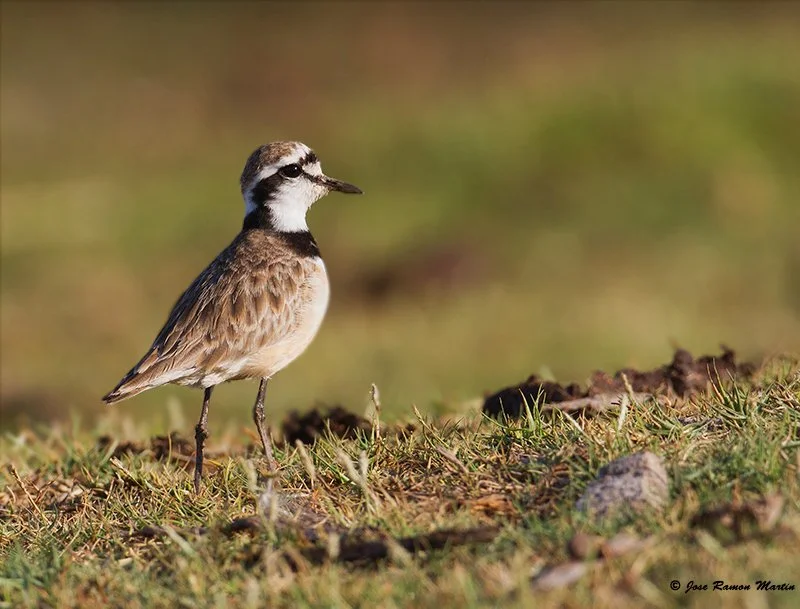
Its survival hangs by a thread. Productivity is low; most pairs manage only one nest per season. Their breeding is inflexible. If cyclones or drought strike, they simply do not breed. And when they do, cats and dogs often find the nests before we do.
In 2023, we founded Madagascar Nature Conservation (MNC), an NGO led by local and international scientists who have spent decades studying Madagascar’s shorebirds. Our goal is to turn knowledge into protection for the island’s most threatened wader. Right now, our mission is to gather the evidence needed to designate the entire wetland network of Lake Antsirabe in Andavadoaka, the species’ main breeding stronghold, as a Ramsar Site of international importance. Long term, we envision a community-led protected area, co-managed by the Vezo and Masikoro peoples who have lived with these wetlands for generations. We aim to create alternative livelihoods for local rangers and students, protecting birds while sustaining the salt, forests, and traditions that support their families.
Find the full blog on Wader Quest Newsletter
South Africa
Recognised as a Ramsar wetland of international importance, this estuary supports an impressive diversity of birdlife, over 250 species recorded, including 127 species of waterbirds. Among them there are two remarkable plovers — the chestnut-banded plover (Charadrius pallidus) and the Kittlitz’s plover (Charadrius pecuarius).
These small, ground-nesting waders adapted to the open salt flats and mud edges. They build shallow nests on bare sand or gravel, relying on camouflage to shield their eggs. The chestnut-banded plovers have a distinctive chestnut band across breast in breeding plumage. They are near threatened species, found only in southern and eastern Africa. Their populations are declining due to habitat loss from water abstraction, salt extraction, and human disturbance. The Kittlitz’s plover is another small African plover, sandy-brown with a pale breast and dark eye stripe, it is more widespread and adaptable than the chestnut-banded plover, but they too depend on the same fragile wetland habitats. Both species move regionally based on rainfall and water levels, breeding from August to April, with peaks in spring and summer (September–February).
Under the fast changing global climate and increasing human disturbances, the future of these birds grows more uncertain. The Kilphoek Saltpan remains one of its few strongholds for those breeding plovers in Berg River Estuary, making local conservation efforts vital for their future.
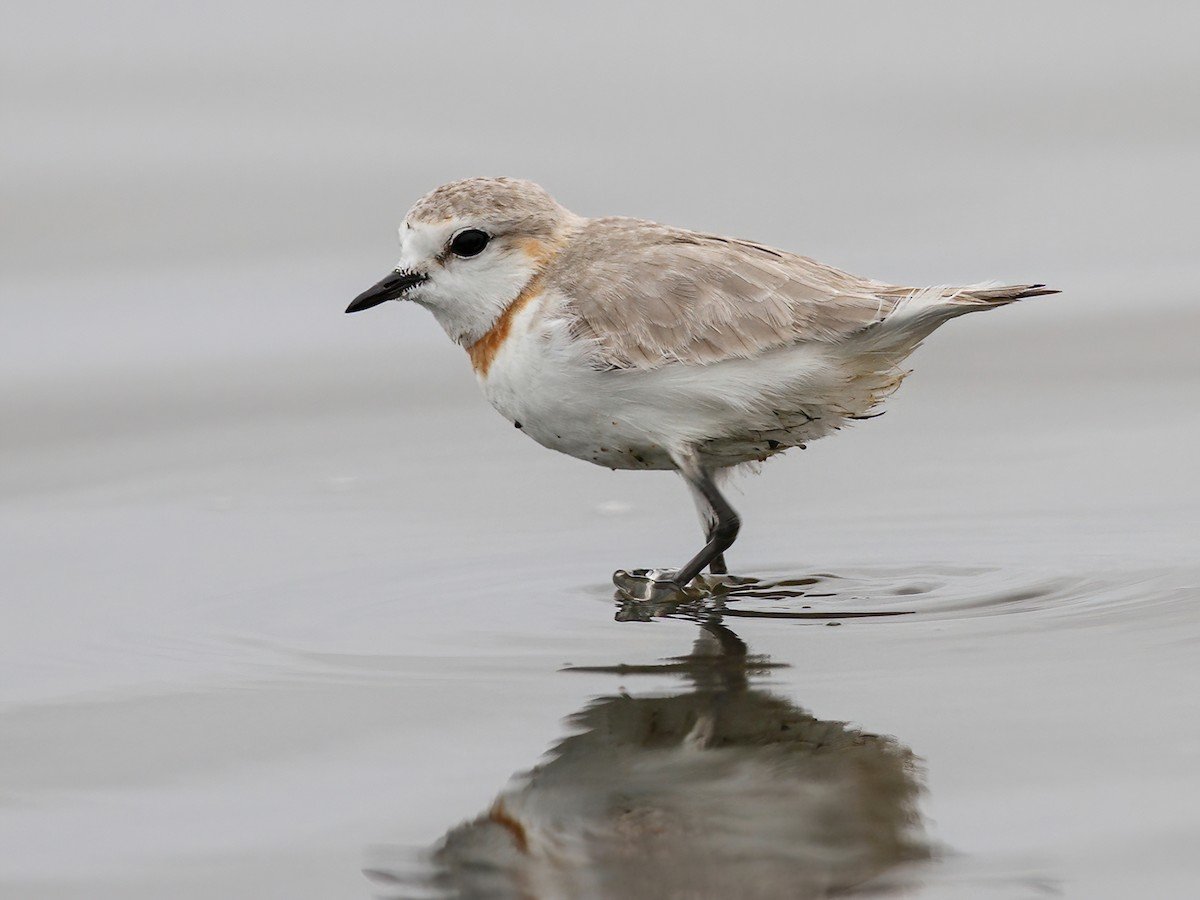
Since 2021, our joint research team from South Africa, Hungary, and the UK has been monitoring the breeding ecology of these plovers at the Kilphoek Saltpan. During the breeding season, we locate their nests, ring adults and chicks, and record their breeding behaviours (i.e. courtship, mating and parental care). Over the past four years, we have monitored more than 450 nests and ringed over 300 individuals, and gained insights on the main threats to their survival and understand their breeding behaviours patterns.
Find the full blog on Wader Quest Newsletter
We thank Wader Quest for the opportunity to share our story and invite readers to follow our work in South Africa and Madagascar. Together, we can help secure a future for these remarkable shorebirds and the fragile wetlands they call home.