
Nest site selection in shorebirds: is it a mutual decision or tug of war?
by Hela Boughdiri
Have you ever stumbled across a shorebird’s nest placed completely out in the open sometimes even inside a single footprint track and wondered why they didn't pick a safer spot? Or perhaps you've spotted a nest tucked deep under the shade of a dense shrub and thought, “Ah, a bird of a culture”. Well, nest site selection is not as simple as you may think! For ground-nesting birds, choosing the right place to nest is fraught with problems: predators may find the nest and eat parents or their eggs, and in hot environments, nest temperatures can stress parents and unhatched offspring - selecting the right site to lay your eggs comes with trade-offs.
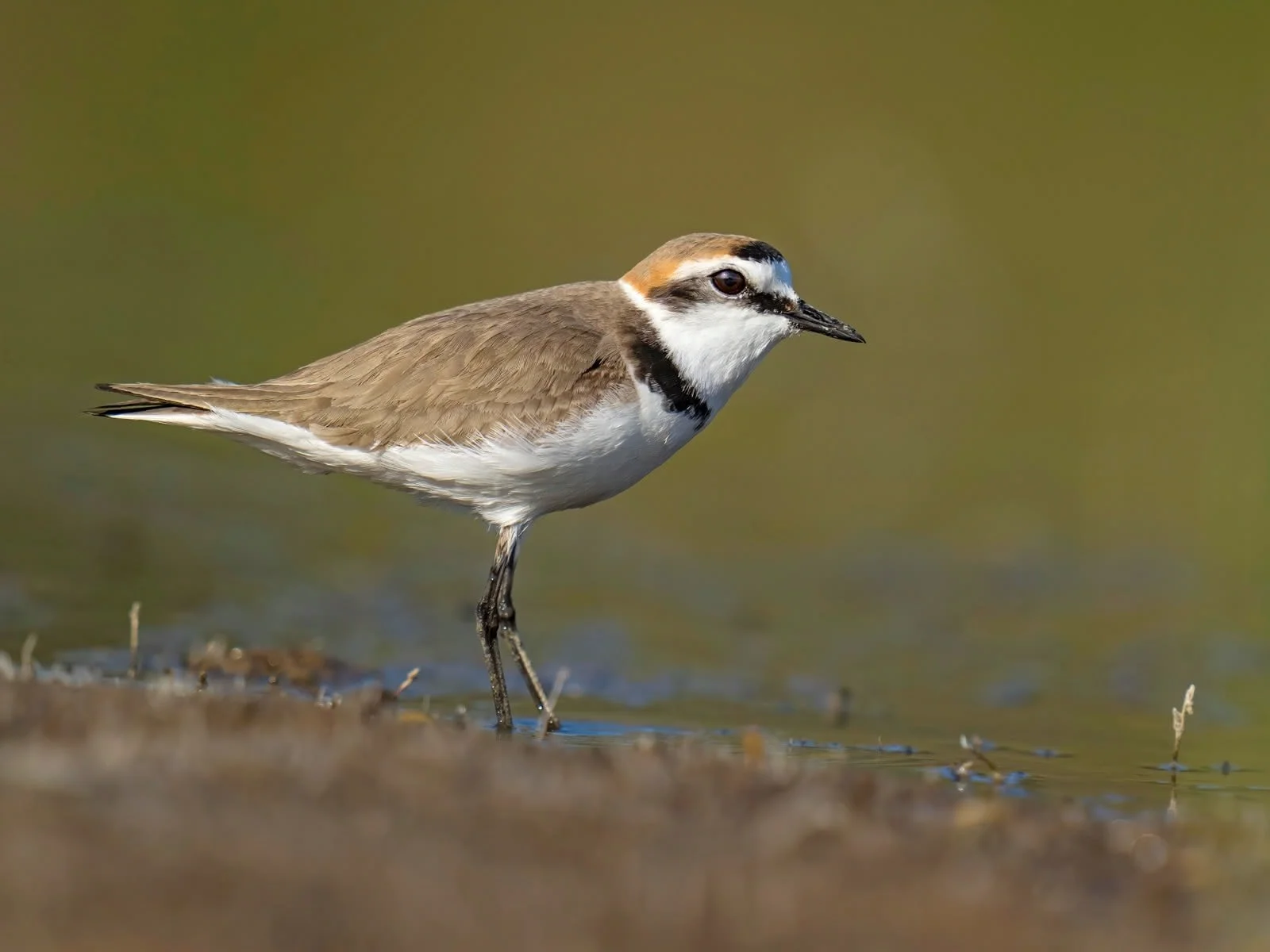
Source: vogelwarte.ch - Kentish Plover
Concealed nests vs hiding in plain sight
Imagine shopping for a home where the two listings look like this:
Concealed nests (under vegetation): Pros? act as a thermal buffer, protecting eggs and incubating parents from harsh solar radiation and high temperatures, wind or even heavy rains. The cover also hides the nest and incubating parents from visual predators. Cons? incubating parents don’t have a wide view making them more vulnerable if a predator approaches and the bird doesn’t spot it in time to escape.
Open nests (without overhanging vegetation): Pros? offer the incubating parents a panoramic view that will enable them to detect approaching predators early from a distance and make a quick escape. Cons? the eggs and the incubating parents are exposed to the different climate conditions (extreme heat, strong wind or heavy rain), but also to visual predators.
Conflict between the male and the female parent
When males and females share incubation duties across different times of the day, they may have different preferences for where to nest. I investigated this potential conflict in a ground-nesting shorebird, the Kentish Plover (Anarhynchus alexandrinus). Kentish Plovers breed in a variety of habitats, nesting either under vegetation, where their nests are concealed, or in open areas, where their nests are exposed. Female Kentish Plovers incubate during the day, when they are exposed to intense sunlight and high temperatures in my study area in Tunisia. They may therefore prefer more concealed nesting sites, which could provide shade, reduce exposure to heat stress, and offer protection from visually oriented predators. In contrast, male Kentish Plovers incubate at night, when nocturnal predators such as the Red Fox (Vulpes vulpes) may pose a greater threat. Dense vegetation may obstruct incubating males’ view, allowing predators to approach their nests undetected. Males may therefore prefer more open nesting sites, where they can detect approaching predators from a greater distance and escape quickly if threatened.
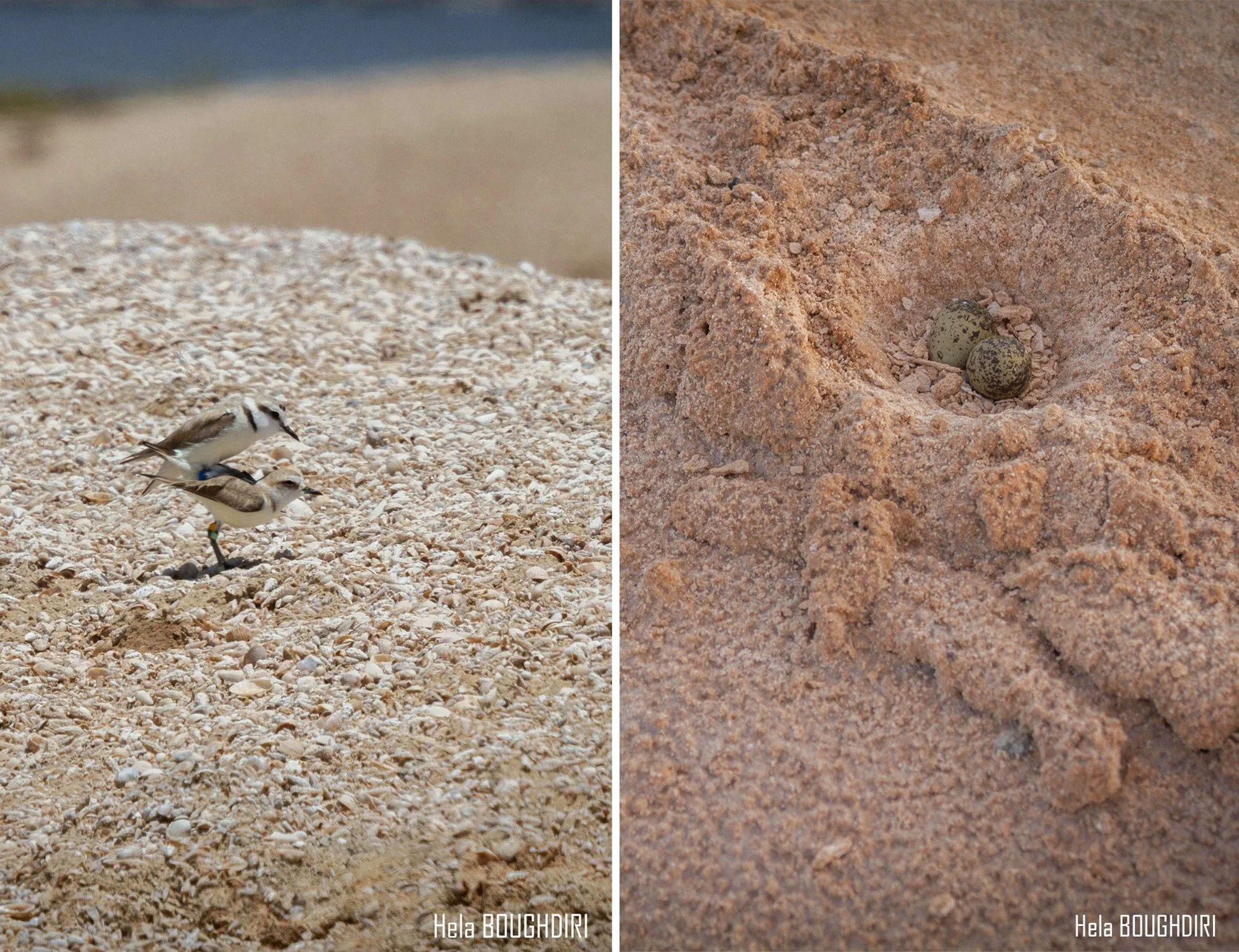
But who chooses the nest site in Kentish Plover? Does the female get her sun parasol, or does the male get his open concept observation deck?
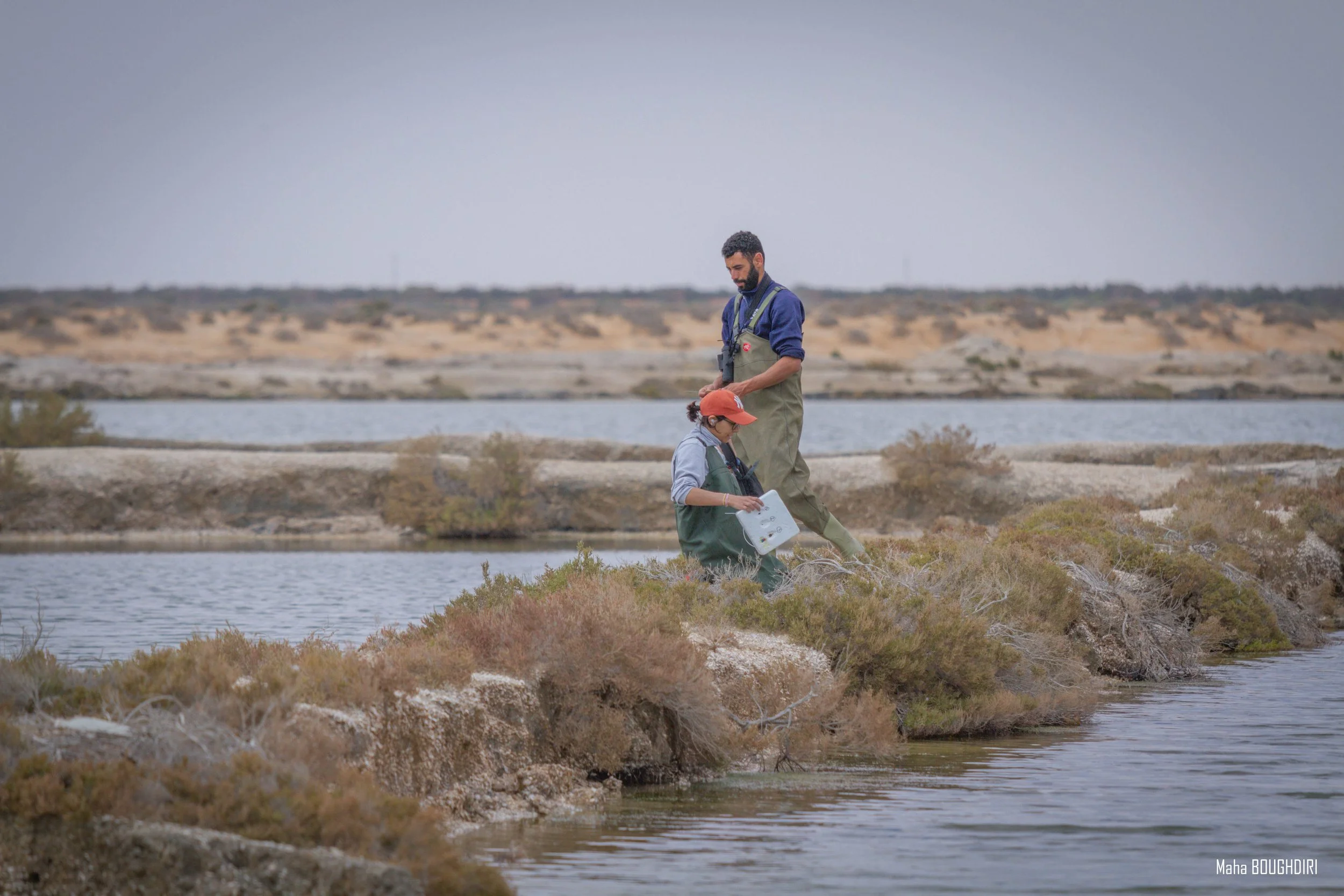
Despite previous investigations of the factors influencing nesting decisions in several bird species, the relative roles of the sexes in nesting decisions remain unclear. As part of my PhD project at the University of Debrecen (Hungary), I carried out an experimental study to test whether the female or the male chooses the location of the nest.
Experimental test of nest site selection in Tunisia
To test whether the male or female has an upper hand in nest site selection, I put one of the parents in an aviary and re-distributed the original eggs to other nests (foster nests), and recorded whether the other parent, after remating with a new partner, chose a similar or dissimilar nest site in her/his second nest. Then I released its partner from captivity and searched for her/him daily until it had re-paired with a new mate and initiated a new clutch. I then compared the cover of their original nest to their new nest. If one sex consistently chooses similar nest cover even in their subsequent nest (with a different mate), that sex was likely calling the shots.
The results were more complicated than simply putting the nesting decision in the hands of either males or females!
First, I showed that Kentish Plovers predominantly chose open rather than covered nests, and that this pattern was accentuated later in the season. Second, the study revealed no difference in the tendency to select covered versus open nests after partner removal in either sex, indicating no directional change in nest cover choice following mate and clutch removal (a simulated predation event). Moreover, male and female consistency in nest cover choice decisions over successive nesting attempts was low and did not differ between the sexes. These findings indicate that the nest cover choice of individual males and females following a predation event are highly dynamic and that neither sex enforces consistent nest cover preferences. My work suggests that renesting decisions may be highly context dependent and emphasises the need for further experimental studies to understand the mechanisms and trade-offs underlying parental decisions.
Why does this matter for conservation?
Although shorebirds act as vital bio-sentinels, their populations are declining globally due to climate change, habitat loss, and human disturbance. Understanding their nesting choices is critical for conservation, especially as extreme heatwaves expose open nests to lethal temperatures while beachgoers crowd breeding grounds during peak nesting season. Decoding these decisions empowers conservationists to design smarter habitat management, implement targeted predator control, and raise public awareness so people know to give these easily overlooked nests the space they need to survive.
Curious to learn more?
Read the full study published in Journal of Ornithology: Who chooses the nest? An experimental test of nest cover selection (DOI: https://doi.org/10.1007/s10336-026-02441-1). I conducted this research jointly with Dr Grant C. McDonald, Professor Andras Kosztolányi at the University of Veterinary Sciences (Hungary) and Professor Tamas Székely at the University of Debrecen (Hungary). The research was supported by the National Research, Development and Innovation Office, Hungary (FK134741, NN 125642, ANN 143995, ÉLVONAL KKP 126949) and the Tempus Public Foundation (Stipendium Hungaricum, SHE−090534-004/2022).