by Emily Gerard-Pearse and Oscar G. Miranda
The Székely Lab was delighted to take part in Bath Taps into Science, a free, two-day celebration of all things STEM. We spent two fantastic days sharing our conservation research in Madagascar and giving members of the public a glimpse into what life as a field researcher is really like.
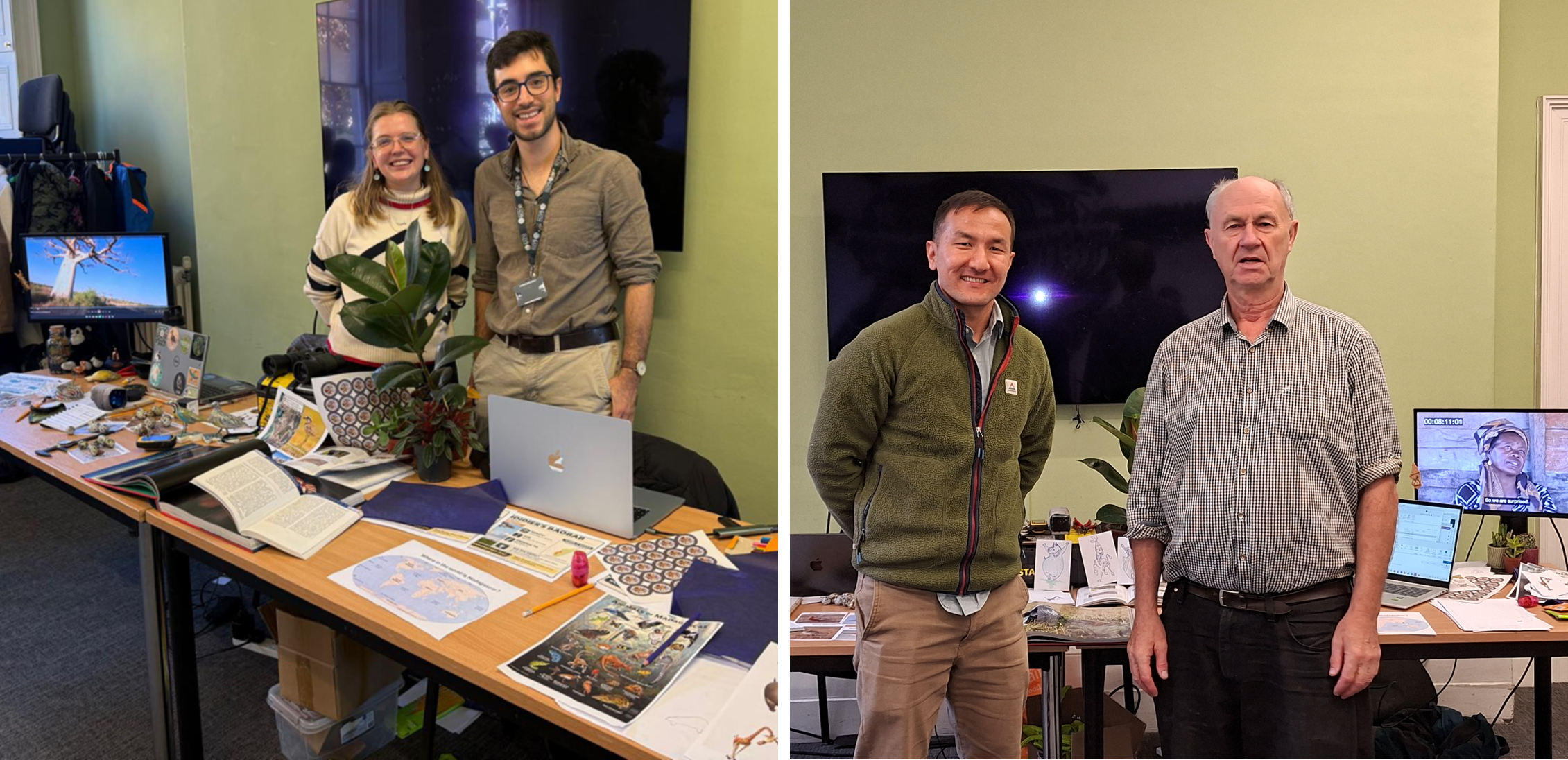
Emily Gerard-Pearse, Oscar G. Miranda, Nar Halimbekh and Tamas Szekely (left to right) at the Bath Taps into Science festival
Bringing Madagascar to Bath
At our stand, we introduced visitors to some of Madagascar's fascinating wildlife, from the world-famous lemurs to the wonderfully tiny spider tortoises. We also gave students and members of the public a behind-the-scenes look at how scientists study shorebirds in the field. Using the same equipment as our researchers in Madagascar, the children learned, step by step, how to safely catch, identify, weigh, measure and record shorebirds. This hands-on experience gave the children a better understanding of what field research involves, but it also raised some interesting questions about how scientists work with wildlife. For example, several children initially thought that touching wild animals was always harmful. This sparked a great discussion about when handling wildlife is appropriate, when it isn't, and why researchers sometimes need to handle animals to study and protect them.
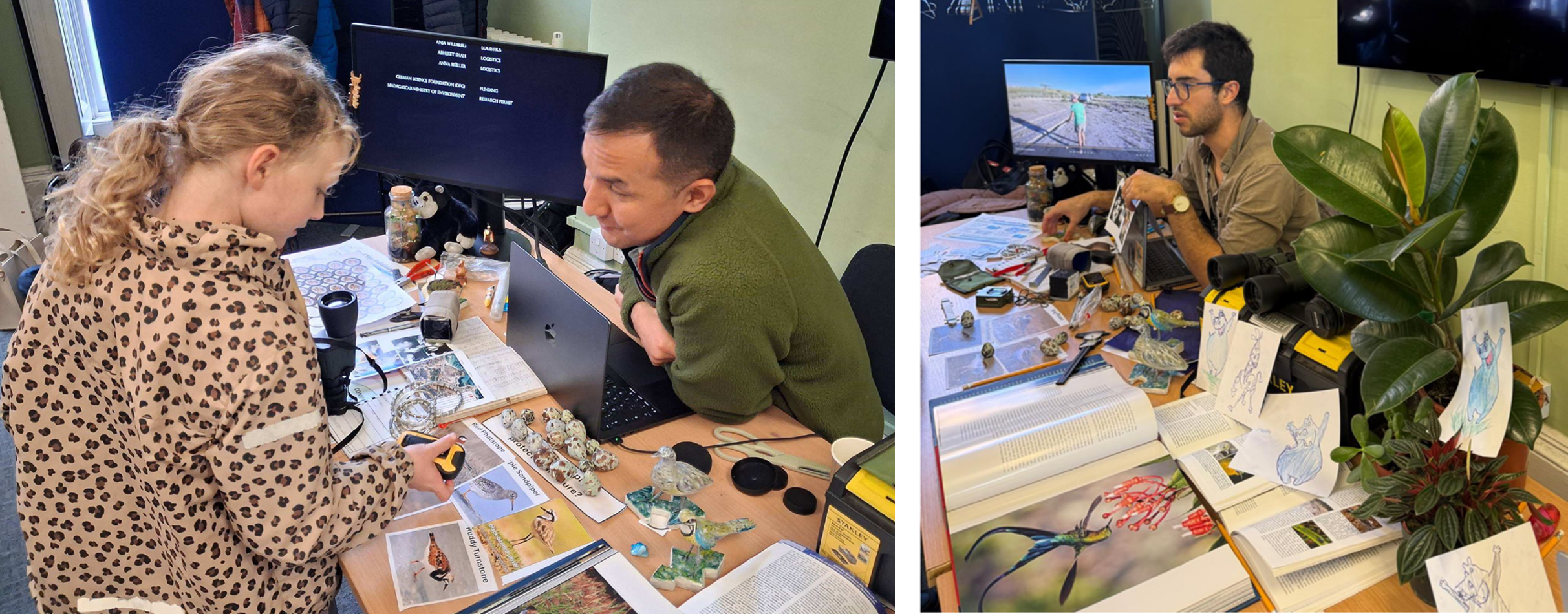
Nar (left) and Oscar (right) showing young visitors how we use research equipment during fieldwork in Madagascar.
Curious Questions and Surprising Discoveries
One of the best parts of the event was seeing just how enthusiastic the children were. Alongside the artwork activity, people loved the game where you had to match the different eggs to their corresponding bird species. The kids, first and foremost, were competitive, but the activity also led to some brilliant conversations about why bird eggs come in so many different colours and patterns. Many children thought that eggs were coloured to match their parents' feathers and were surprised to discover that for many ground-nesting birds, the colours and patterns actually help the eggs blend into their surroundings and avoid being spotted by predators.
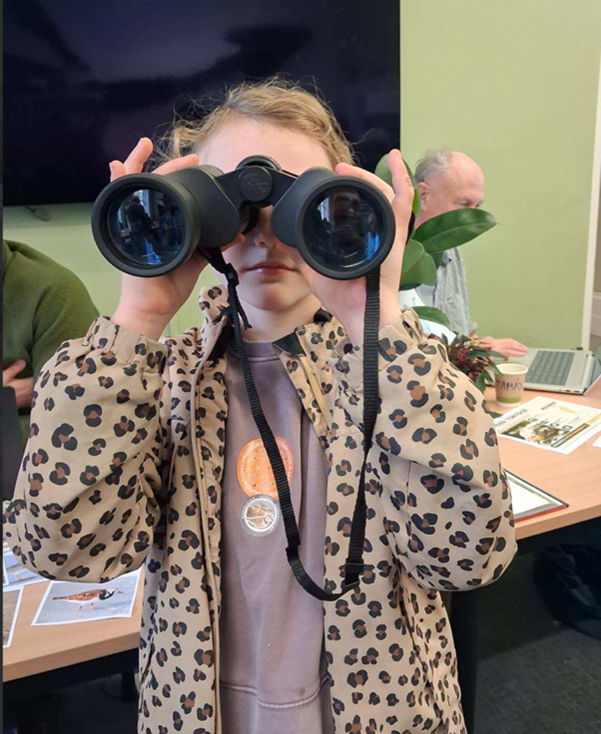
An aspiring young conservationist trying out our field equipment.
Inspiring Future Conservationists
In total, the event welcomed 1,300 children from eight schools across Bath and the surrounding area, with a total of 2,171 visitors. We had a wonderful time sharing our research, meeting so many enthusiastic young scientists and seeing their excitement for wildlife. We all came away with a strong belief that events like Bath Taps into Science are a great way to get young people excited about conservation and perhaps even inspire the next generation of conservationists! A huge thank you to everyone who stopped by our stand and helped make the event so enjoyable.
We can't wait to be back next year!